Airline fleet planning is the matching of aircraft size and range to route demand: the right jet for a route is the smallest aircraft whose seat count and range fit the demand with usable spare capacity. Carriers keep families of types — regional turboprops and jets of 50-76 seats, narrowbodies around 150-200, widebodies above 250 — and assign within that ladder as demand grows. A jet's calendar life runs 25-30 years, but most retire on economics far earlier, when maintenance cost and fuel burn exceed what younger metal earns.
Fleet decisions are made years ahead of travelers seeing them: orders placed today fly routes in the 2030s. This guide explains how the ladder is built and when each rung is retired. AGLA News publishes information, not business advice.
Why do airlines fly several aircraft types?
Because route demand spans a tenfold range. A spoke route with 40 daily passengers cannot support a 175-seat narrowbody profitably; a transcontinental trunk cannot be served by 50-seat regionals at workable unit costs. Each aircraft family optimizes for its band of the demand curve, and the carrier's network planning desk reassigns types seasonally — larger summer equipment on leisure routes, smaller winter lifts — as demand shifts. The countervailing pressure is commonality: every added type brings new pilot training, spare parts and maintenance lines, so airlines concentrate on the fewest families that cover their demand spread. A two-type carrier is efficient; a five-type carrier is hedged. Most large carriers land between three and five families including regional equipment.
What decides when an aircraft retires?
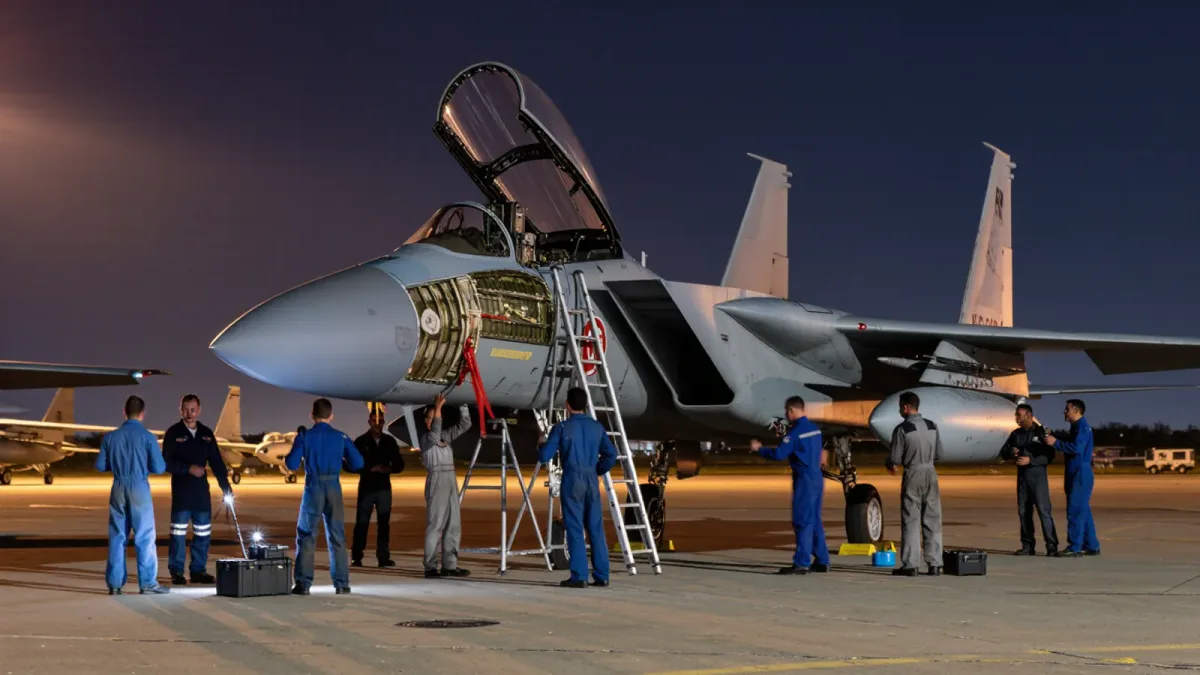
Economics, not age alone. An airframe's maintenance cost climbs with cycles and hours — heavy checks come due, aging systems fail more often — while newer aircraft burn less fuel per seat, so at some point the old jet's cash cost exceeds the lease or debt service on a replacement. Carriers describe the crossover in net present value terms, and the trigger arrives earlier when fuel prices are high and new-generation aircraft are available. Passenger appeal plays a role: an old interior loses premium revenue regardless of its mechanical state. Economic life for narrowbodies commonly runs 20-25 years, after which aircraft pass down the value chain — to secondary carriers, freighter conversion, or the desert, where stored airframes await reuse or part-out.
Why do order backlogs stretch for years?
Because both manufacturers sell aircraft faster than they can build them: the combined Airbus and Boeing backlog runs to many thousands of aircraft, and at recent delivery rates a new order today lands in the mid-2030s. Carriers order early to hold delivery slots and fleet growth options, and the backlog functions as strategic inventory — slots are traded, deferred and resold. For travelers the visible consequences are aging fleets at capacity-constrained carriers, since an airline that cannot take deliveries cannot refresh, and the persistence of older, less efficient aircraft on routes where the new metal was promised.
How does fleet planning touch the traveler?
Three visible effects. Aircraft substitution: when demand misses forecast, the airline swaps equipment, and a seatmap changes under a booked passenger — the premium cabin that existed at booking may not exist on the substituted jet. Route economics: an aircraft sized right for the route is why some city pairs get nonstops and others a connection; fleet choice is route policy. And cabin refresh: fleet turnover is the mechanism by which newer cabins, connectivity and better seats arrive — the products travelers notice are downstream of the order book.