Why the A321XLR Is Redrawing the Map of Long-Haul Flying
A narrowbody with transatlantic range lets airlines fly routes widebodies could never pay for — the economics favor thinner city pairs.
The engineering behind modern flying: engine and airframe efficiency, avionics and air traffic systems, cabin connectivity, hydrogen and electric programs, and sustainable fuel supply chains. Vendor claims get measured against certification timelines and production capacity. For readers who want the mechanism before the announcement.
Aircraft systems in plain terms: engine efficiency gains, avionics upgrades, sustainable fuel supply, and what the announcements are actually worth.

A narrowbody with transatlantic range lets airlines fly routes widebodies could never pay for — the economics favor thinner city pairs.

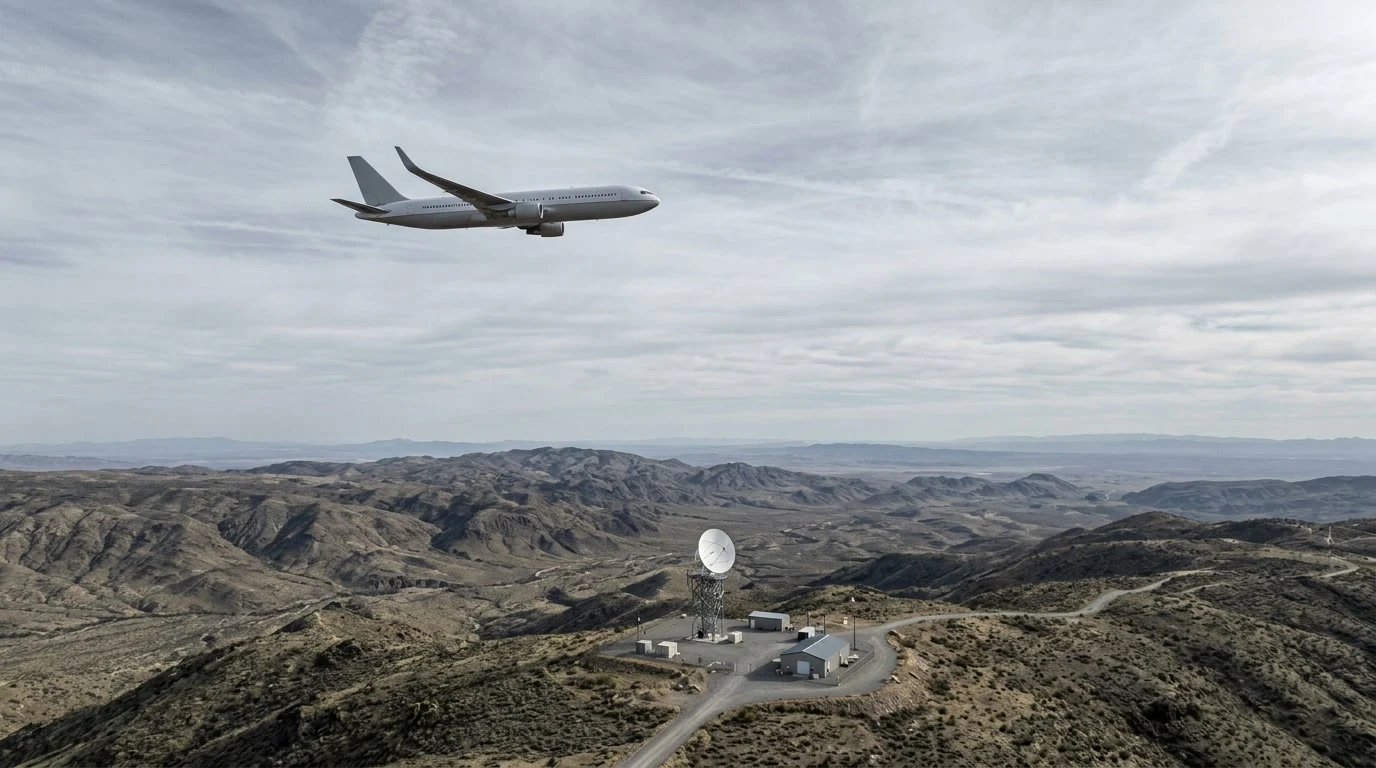
Aircraft fix their own position and shout it once a second on an unencrypted link. That single design choice explains the FAA mandate, the two U.S. frequencies, and why anyone with a receiver can watch.
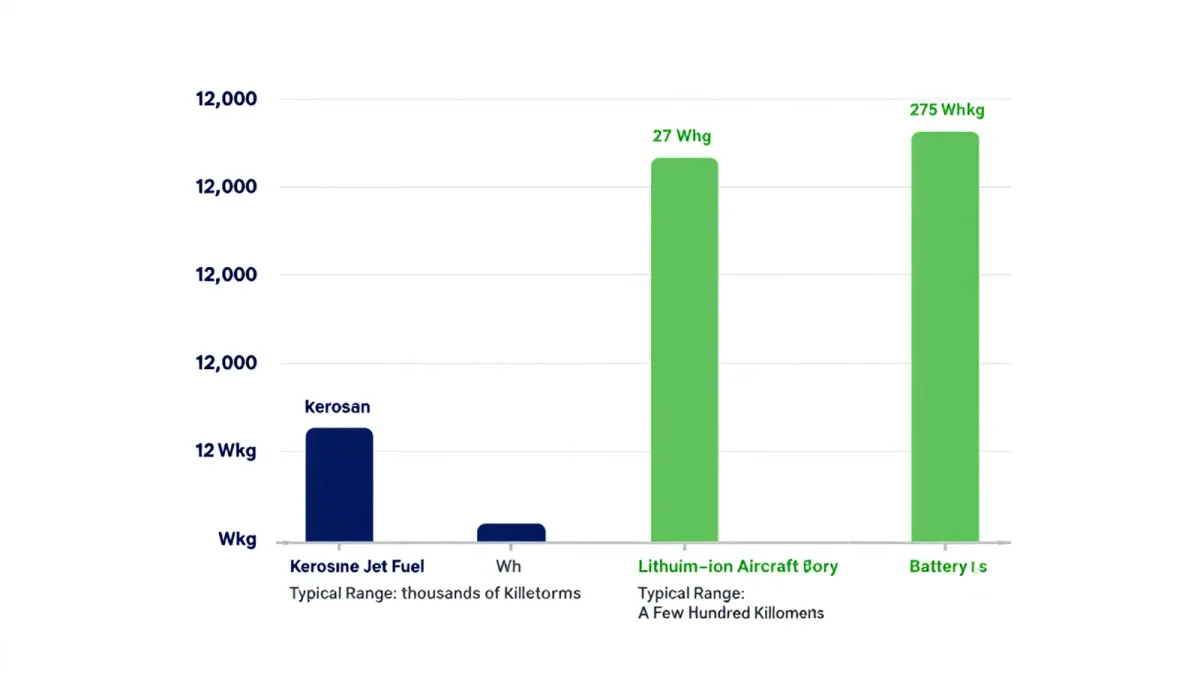
Battery energy density around 250-300 Wh/kg today versus jet fuel's roughly 12,000 Wh/kg explains why electric aviation starts at 30-minute ranges — and why certification, not chemistry, sets the near-term timetable.

Sensors across a modern airliner stream terabytes of engine and systems data to analysts who schedule part replacements weeks before failure — cutting delays that no traveler ever sees.

Digital towers replace the control-tower cab with camera arrays and sensors feeding a video panorama to controllers tens or hundreds of kilometers away — certified for live traffic in Norway, Sweden, Ireland, and the UK.

A head-up display projects speed, altitude, and the flight path onto a glass combiner in the windscreen, letting pilots fly the approach with eyes outside — and it has become the favored tool for low-visibility landings.

Every flight search runs on one of three data pipelines — the 60-year-old GDS reservations systems, the airlines' newer direct NDC channels, or scraped fares — and the pipeline behind a site explains its price and content gaps.

SAF is a drop-in jet fuel made from waste fats, agricultural residues, and synthesized alcohol — chemically near-identical to kerosene, but global output remains roughly 1 million tonnes against jet-fuel demand near 300 million.

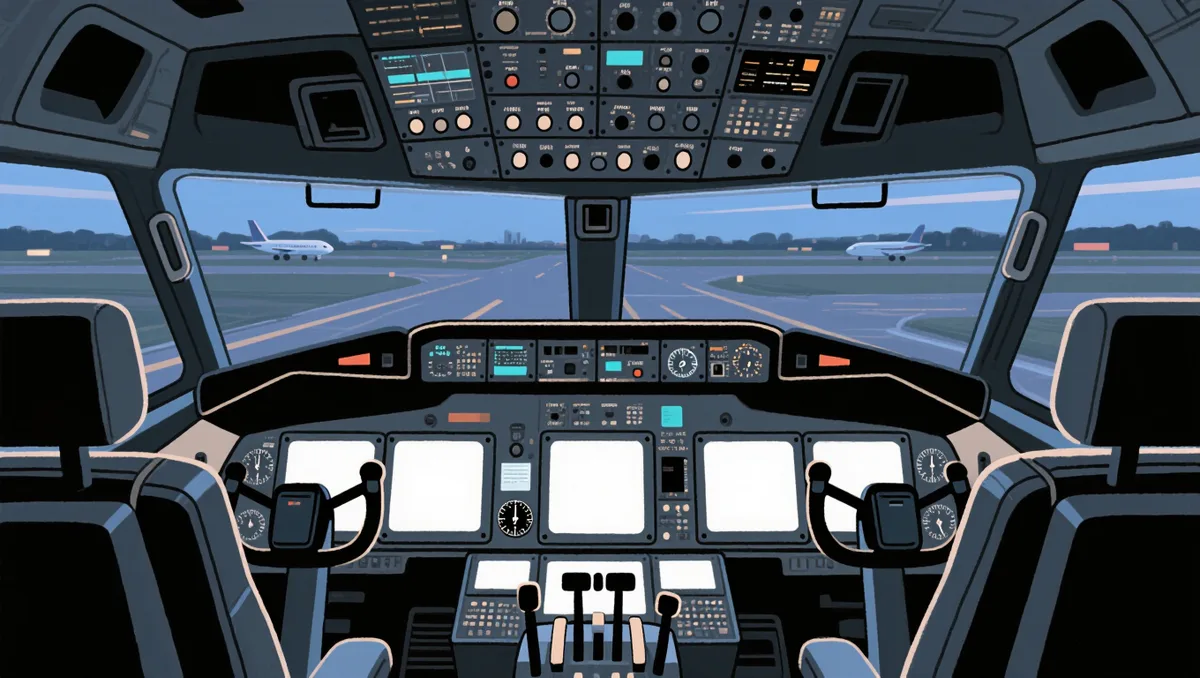
In a fly-by-wire aircraft the sidestick and yoke send electrical signals to flight-control computers, not cables — and those computers enforce limits no pilot can override in normal law.

Low-earth-orbit Starlink hardware cuts latency enough for video calls at cruise, and the flat-panel antenna installs overnight — two reasons the retrofit race spread across U.S. carriers.