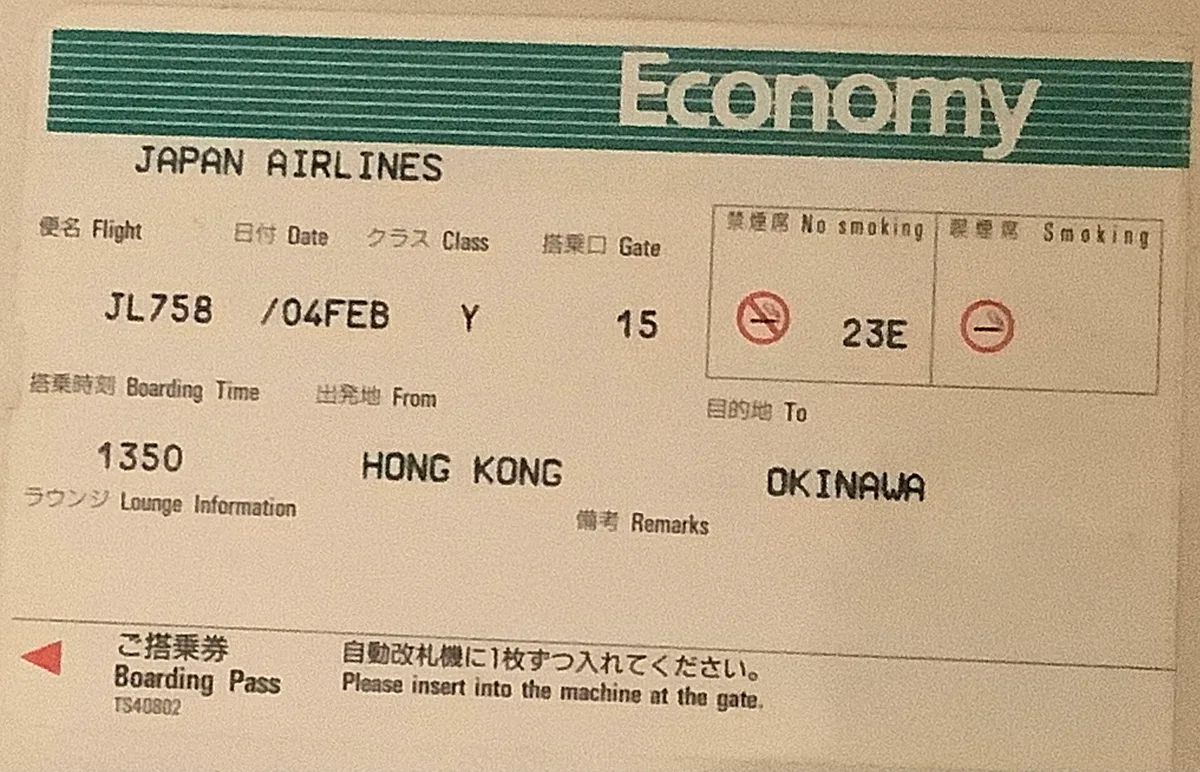
How to Book Airline Tickets Without Overpaying: The Rules
Airfare is yield management: fare buckets open and close by inventory and timing. The documented mechanics, and the booking habits that work with them.
Coverage of individual carriers: where they fly, what the cabin feels like at the back as well as the front, baggage and change policies, on-time performance and the real value of their loyalty currency. Comparisons cite published figures. Useful when choosing between two airlines on the same route.
Carrier-by-carrier reporting on networks, seat pitch, cabin products.
Airfare is yield management: fare buckets open and close by inventory and timing. The documented mechanics, and the booking habits that work with them.

Value is not the cheapest ticket. It is what the fare buys once comfort, reliability and fees are counted.

Seat pitch is the single number that predicts a cramped flight or a comfortable one, but the spec sheet only tells half the story.
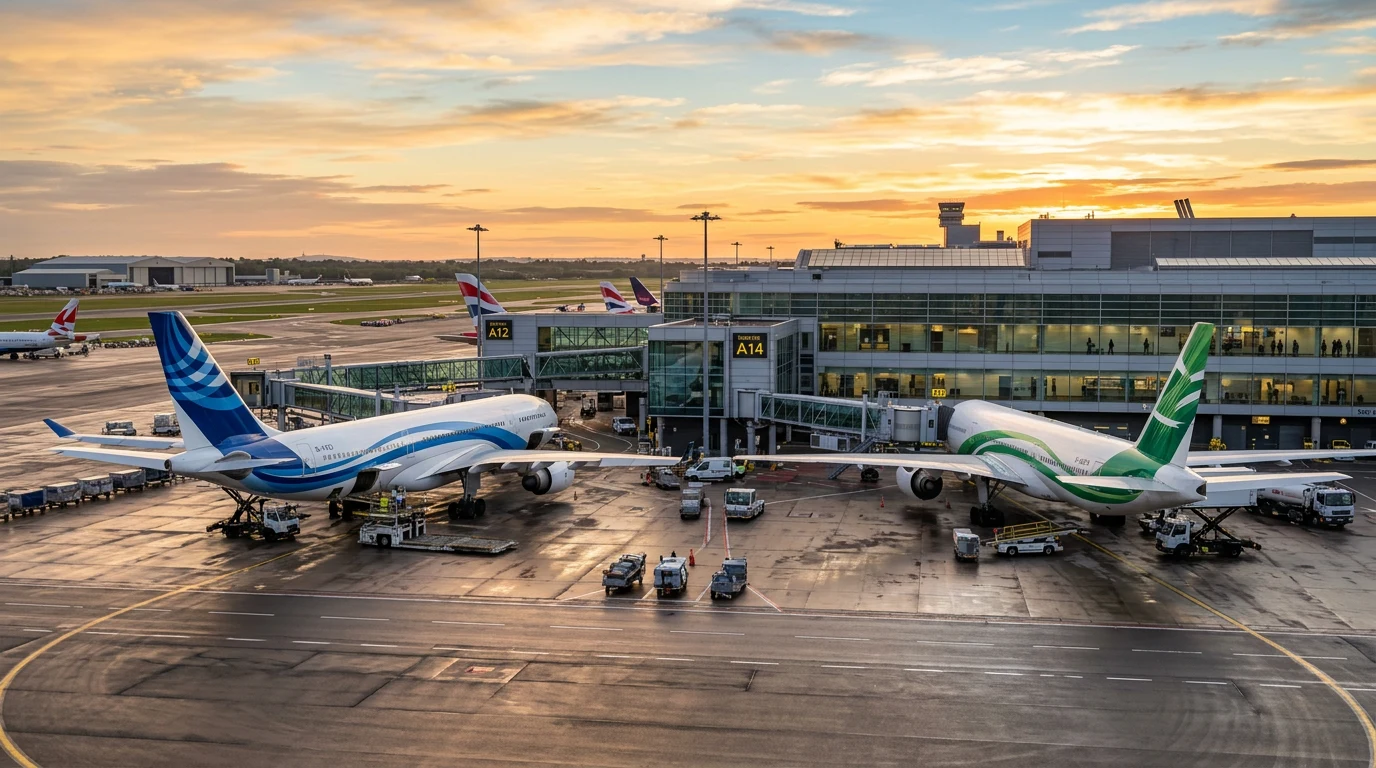
A codeshare lets one airline sell seats on another airline's flight under its own flight number. Here is how the arrangement works, what US law requires airlines to disclose, and how a current India-US-Europe deal shows the model in practice.
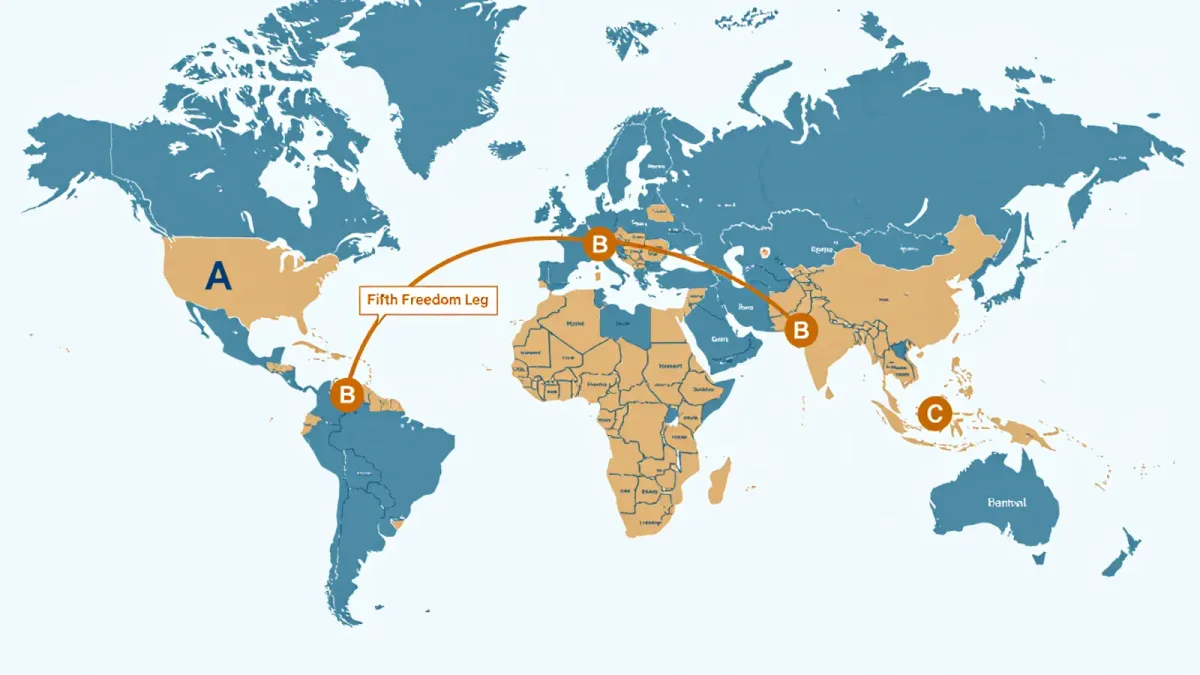
A fifth freedom right lets an airline from country A carry passengers between countries B and C — the treaty permission behind routes such as Singapore Airlines flying New York-Frankfurt type legs and other famous foreign-carrier hops.
Fleet planning matches aircraft size to route demand — a mainline narrowbody flying 160 seats where a regional turboprop would fly 50 — with jets retiring at 25-30 years or on economics long before.