
Behind the Scenes: How an Airport Terminal Actually Works
From landside to airside: how an airport terminal processes passengers, bags and security, and why departures go up while arrivals go down.
Terminal layouts, realistic connection times, security and immigration queues.
From landside to airside: how an airport terminal processes passengers, bags and security, and why departures go up while arrivals go down.
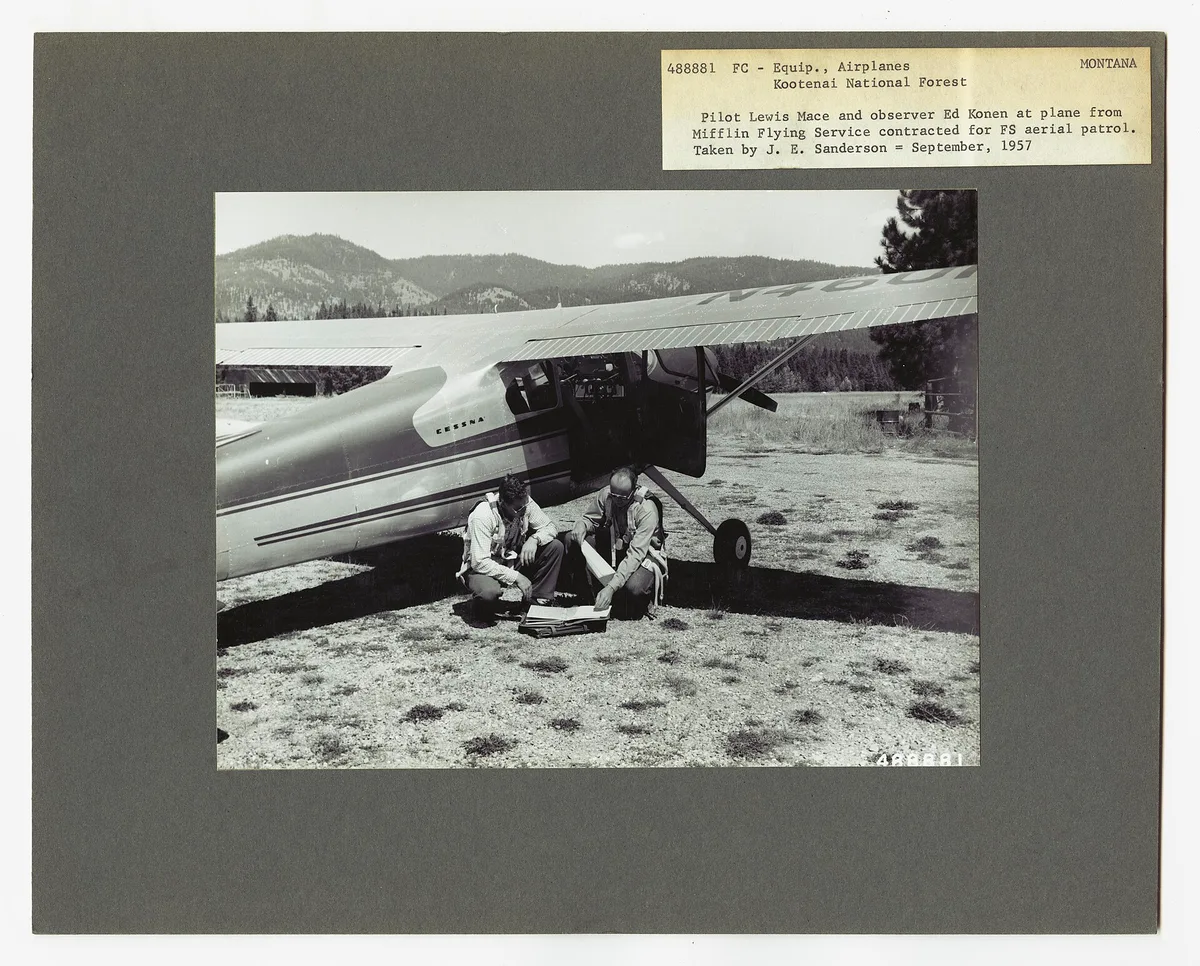
Bozeman, Kalispell, Billings, Missoula and Great Falls compared, with sourced facts that help you pick the right Montana airport for your trip.
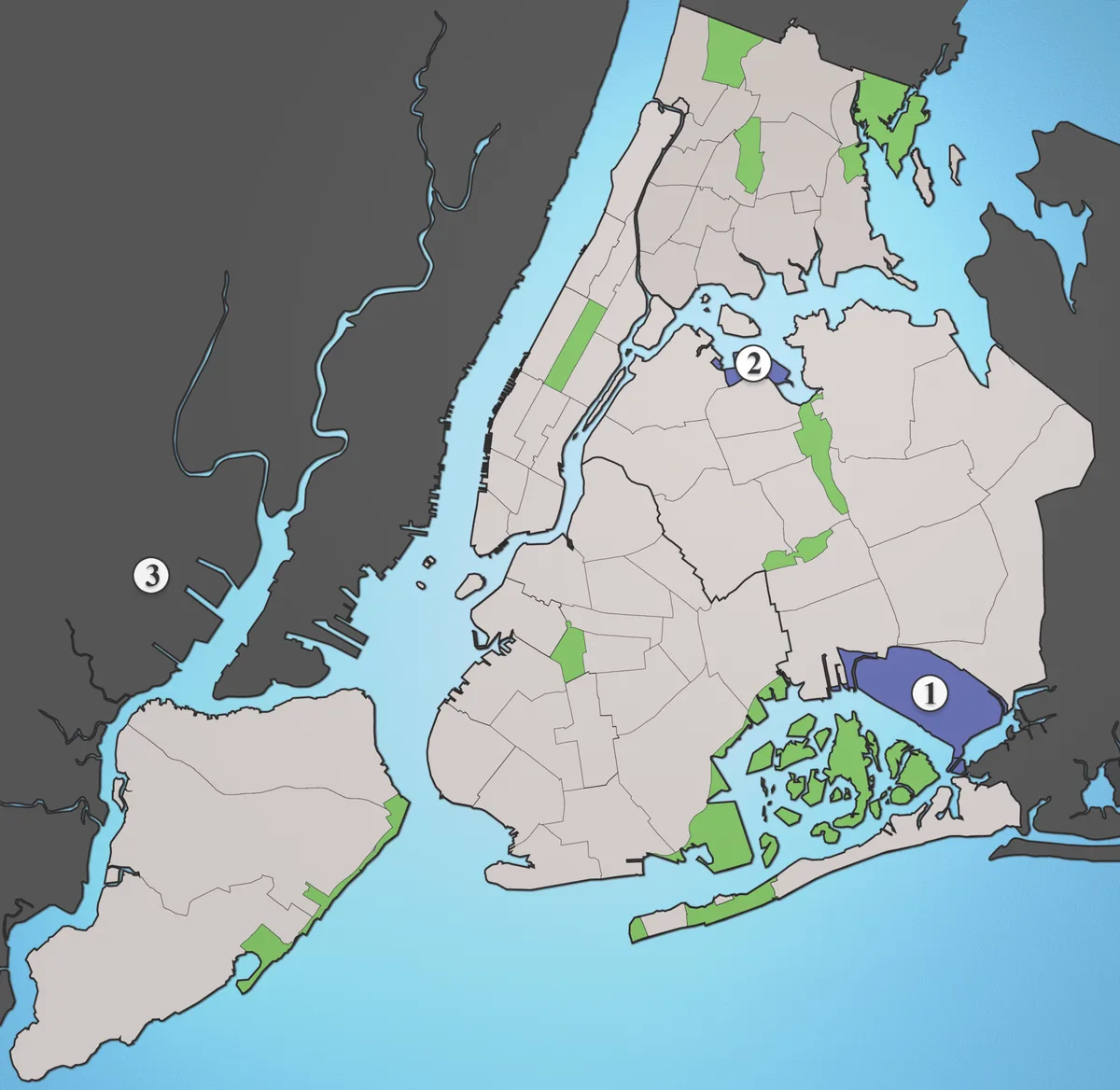
JFK, LaGuardia and Newark compared by location, routes, airlines and rail access, with sourced facts that help you pick the right New York airport for your trip.
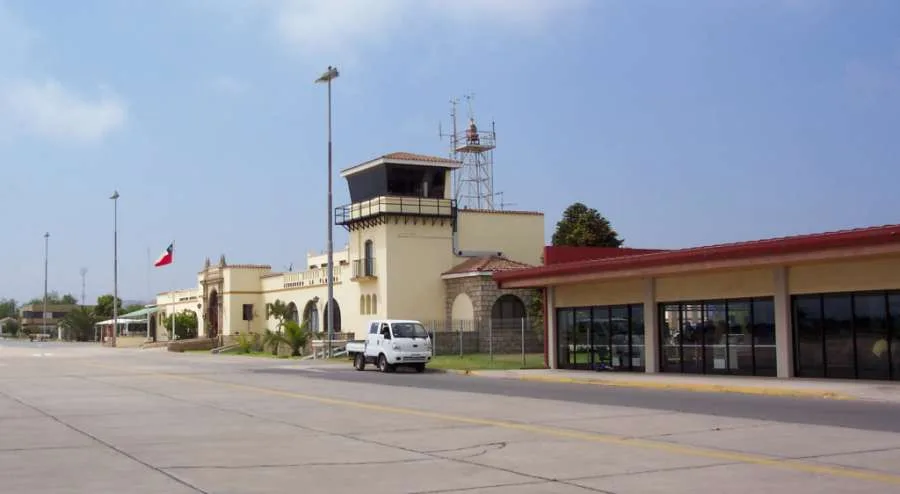
Orlando, Miami, Fort Lauderdale and Tampa compared by location, routes and airlines, so you can match the right Florida airport to your trip.

The state's size and coastline shape which airport makes sense, and when.
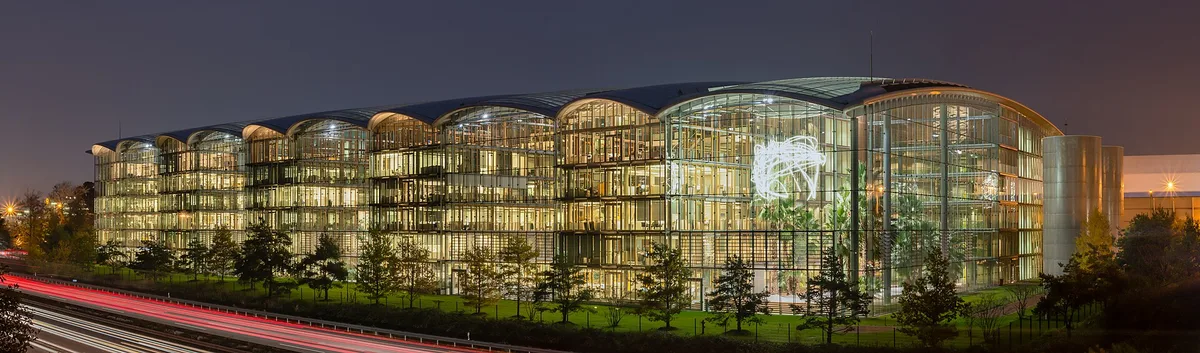
A practical guide to maps, flight-tracking tools and backup hubs when weather closes your home airport.