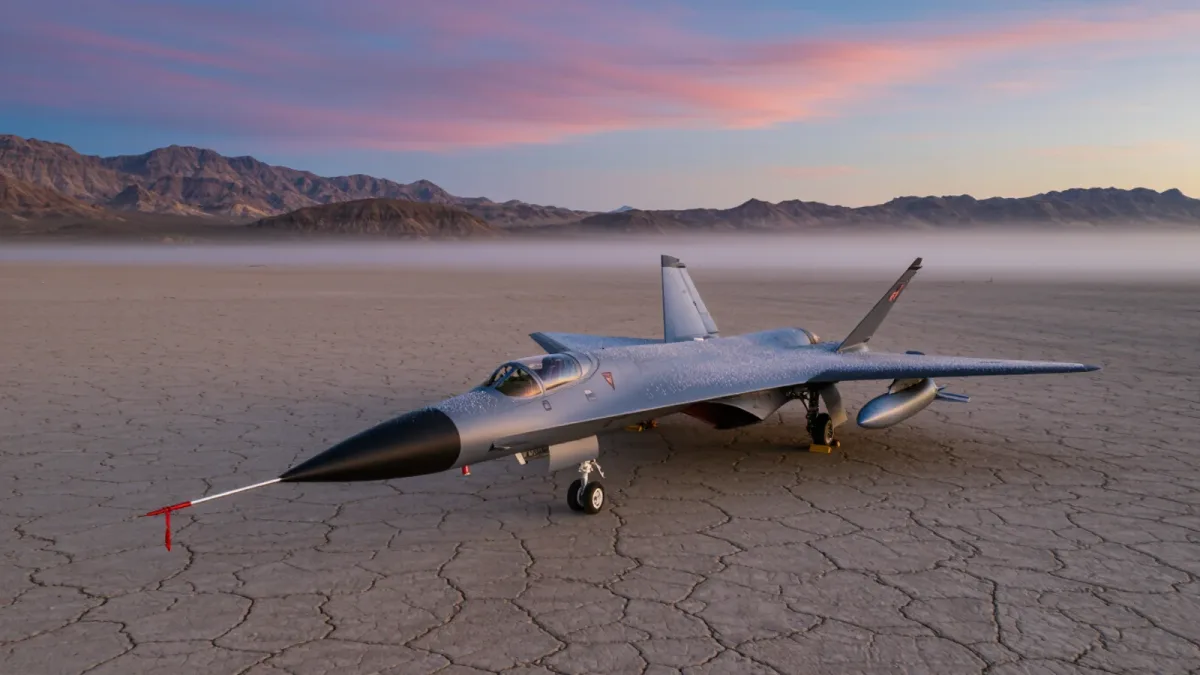
Transportation Secretary Sean P. Duffy announced on June 30, 2026 that the FAA has issued a proposed rule to enable civil supersonic flight over the United States, and the Federal Register published the proposal — titled "Enabling Supersonic Overland Flight" — on July 2, 2026, per the agency's announcement. The rule would replace the 53-year-old blanket ban on civil supersonic flight over land with a performance-based noise certification standard.
What does the proposal change?
Since 1973, federal regulation has prohibited civil aircraft from exceeding Mach 1 over the United States regardless of how quiet the aircraft is. The proposal flips that logic: instead of banning speed, the FAA would certify aircraft against a sonic-blast noise standard, letting compliant types fly supersonic over land. It also creates pathways for testing and early commercial operations, per the FAA's announcement — the regulatory step companies like Boom Supersonic have argued is the gate between demonstrator flights and paying routes.
The proposal traces to Executive Order 14304, signed in June 2025, which directed the FAA to repeal the prohibition and finalize noise certification standards for supersonic aircraft by June 6, 2027. The NPRM published July 2 is the first formal step in that rulemaking, and a final rule would follow the comment period.
When could travelers actually fly supersonic?
Not soon. A rulemaking in 2026-2027 unlocks certification, but a certified supersonic airliner remains years out: manufacturers must design to the new noise standard, complete flight testing, and win type certification before carrying passengers. Realistic earliest revenue service on supersonic overland routes, based on the industry programs now in development, falls in the 2030s rather than this decade.
The near-term traveler impact is route planning, not boarding passes. Airlines watching the rulemaking are positioning for routes where speed commands a premium — premium transcontinental pairs such as New York–Los Angeles, where a Mach-cruise airliner would cut block time from around five and a half hours toward three and a half, per the industry analyses that accompanied the 2025 executive order debate.
What happens next
The comment period runs in the standard NPRM cycle, with the June 6, 2027 statutory deadline forcing a fast calendar. Watch for the final rule and for the first noise-certification applications; both will be leading indicators for whether overland supersonic service becomes a real product or stays an airport-lounge promise.