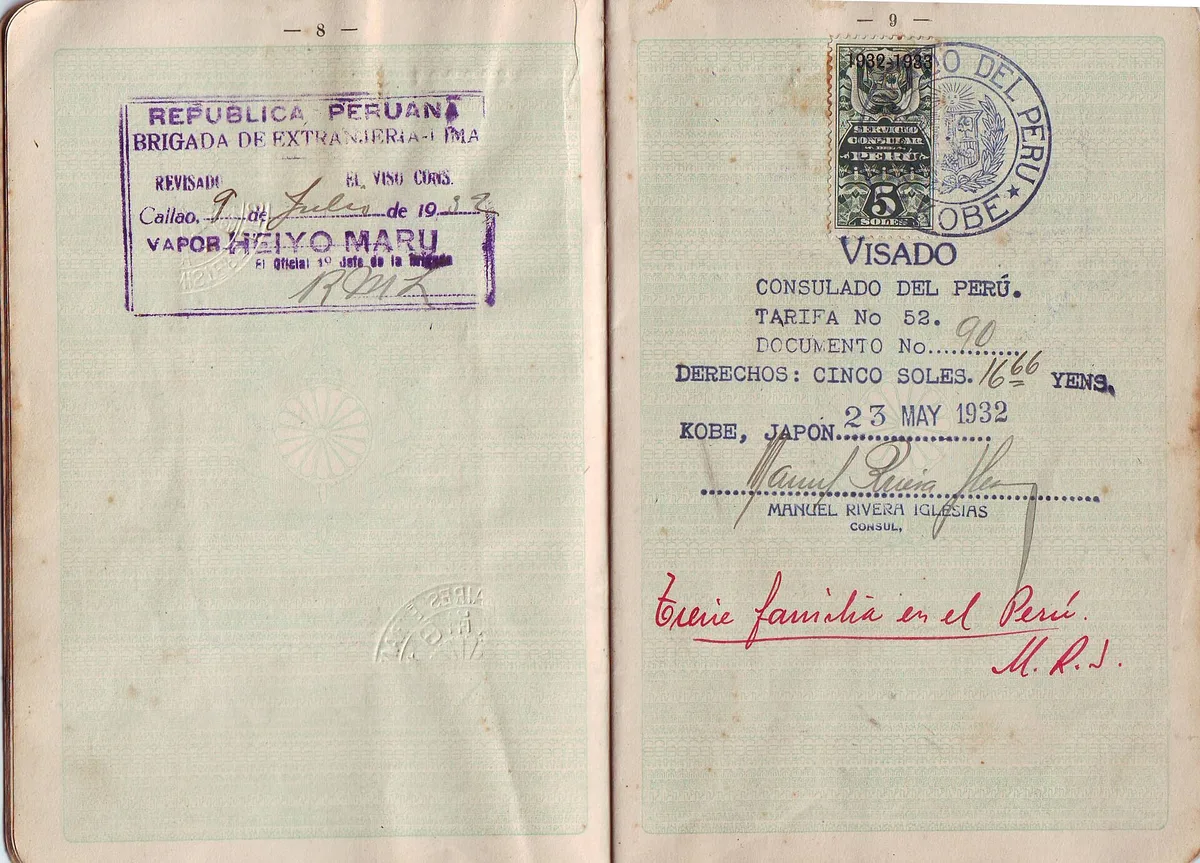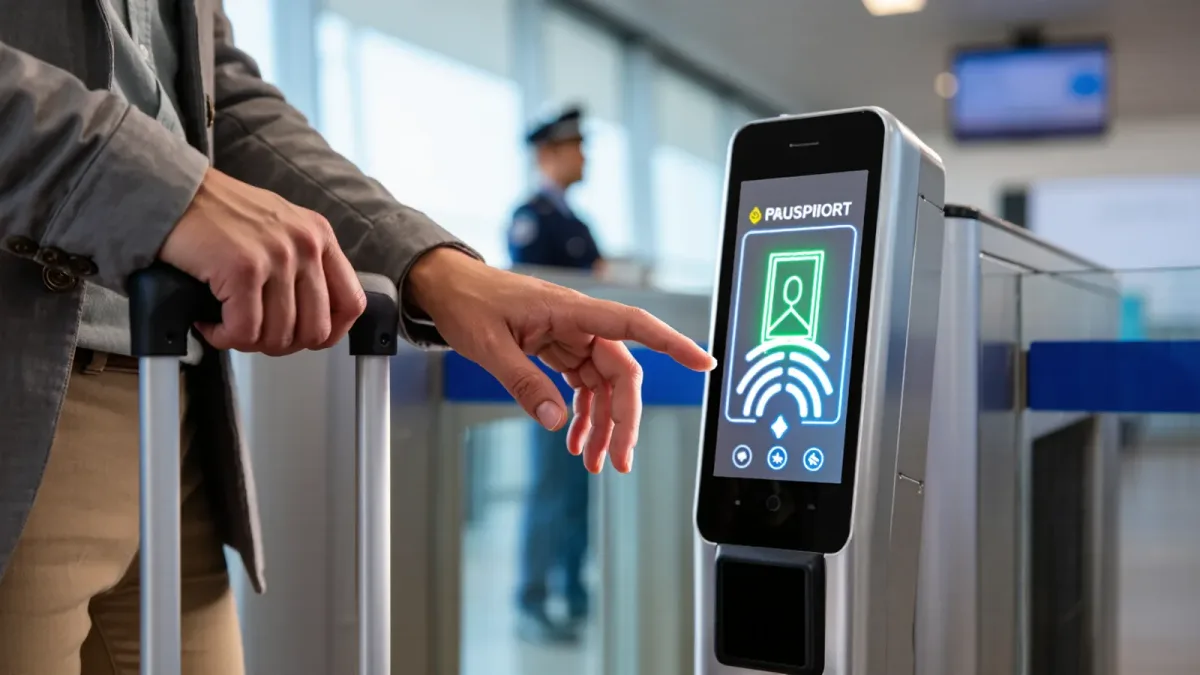
The European Union's Entry/Exit System, known as EES, has been collecting fingerprints and facial images from non-EU travelers for a full quarter. Per the Council of the EU, the system became operational on October 12, 2025 across 29 European countries, with Estonia first in line and Spain's Madrid-Barajas and Croatia's gates among the early adopters. Every traveler entering the rollout zone now faces a first-entry registration that replaces the ink stamp with a digital record.
For anyone booking a spring trip to Europe, the practical change is time at the border, not paperwork in advance. No application, no fee, no pre-travel authorization is required — biometrics are captured at the border itself, at first entry after the system goes live at that crossing point.
What actually happens at the border now?
At a crossing point running EES, a non-EU national for a short stay presents a passport, has four fingerprints scanned and a facial image captured, and the entry is logged electronically. On later trips within the data's validity period, the record is retrieved rather than re-created, which is where the time savings are supposed to come from. Per the European Commission, the digital record also enforces the 90-days-in-any-180 rule automatically, replacing the arithmetic travelers were expected to do with ink stamps.
Why the rollout is staggered instead of instant
Per Regulation 2025/2028, the EU approved a 180-day progressive deployment period rather than a single switchover date. Each Schengen state had to start using the system at least at one border crossing point, but not everywhere at once — a deliberate hedge against queues at ports like Dover or major hubs during the transition. That means two gates in the same country, or even the same airport, can operate on different rules during this window until full operation begins on April 10, 2026, per the European Commission.
What travelers should do before a winter or spring trip
Nothing in advance. Unlike ETIAS, the forthcoming travel authorization, EES involves no application or payment. The useful preparations are mundane: allow extra connection time at the border during the phased period, expect longer processing on the first entry of the season, and check whether the specific crossing point on the itinerary has switched over yet. Ferry and Eurostar passengers should note that the biometric capture applies at those terminals too, not only at airport passport control.
Does this change who can enter Europe?
No. EES records entries and exits; it does not alter visa policy or the visa-free status of US and other passport holders. What it changes is detection: overstays become visible to the system automatically, so the informal slack in the old stamp-based regime is effectively gone. Travelers who count days carefully will find the count done for them — accurately and permanently.
The next milestone is already dated. Per the European Commission, EES becomes fully operational on April 10, 2026, ending the progressive period and retiring passport stamping altogether. ETIAS, the paid online authorization that follows, remains on a separate timeline and is not required for travel booked this winter.