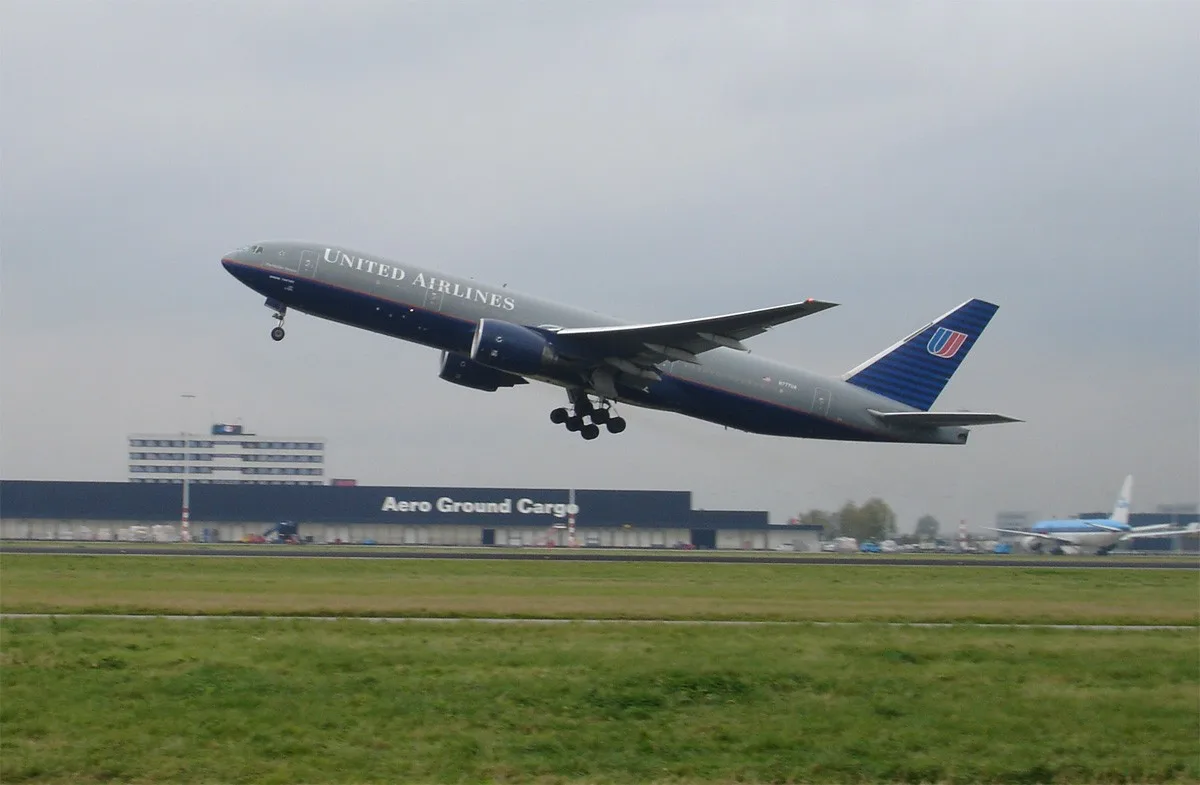
The visible carrier jobs — pilots and cabin crew — are the tip of a large employment map. Behind every flight sit upkeep technicians, dispatchers, ground works. A office layer that hires year-round. The cabin role alone shows a clear structure: flight attendants are aircrew whose primary responsibility is traveler safety across all stages of flight. Comfort as the second duty, per the standard role account. Safety first is not a slogan. It is the job description.
The caveat: carrier hiring moves in cycles. Growth years open thousands of seats; downturns freeze them. The durable advice is about the roles and their entry paths. Not about timing any single year.
What Does the Cabin Crew Job Actually Involve?
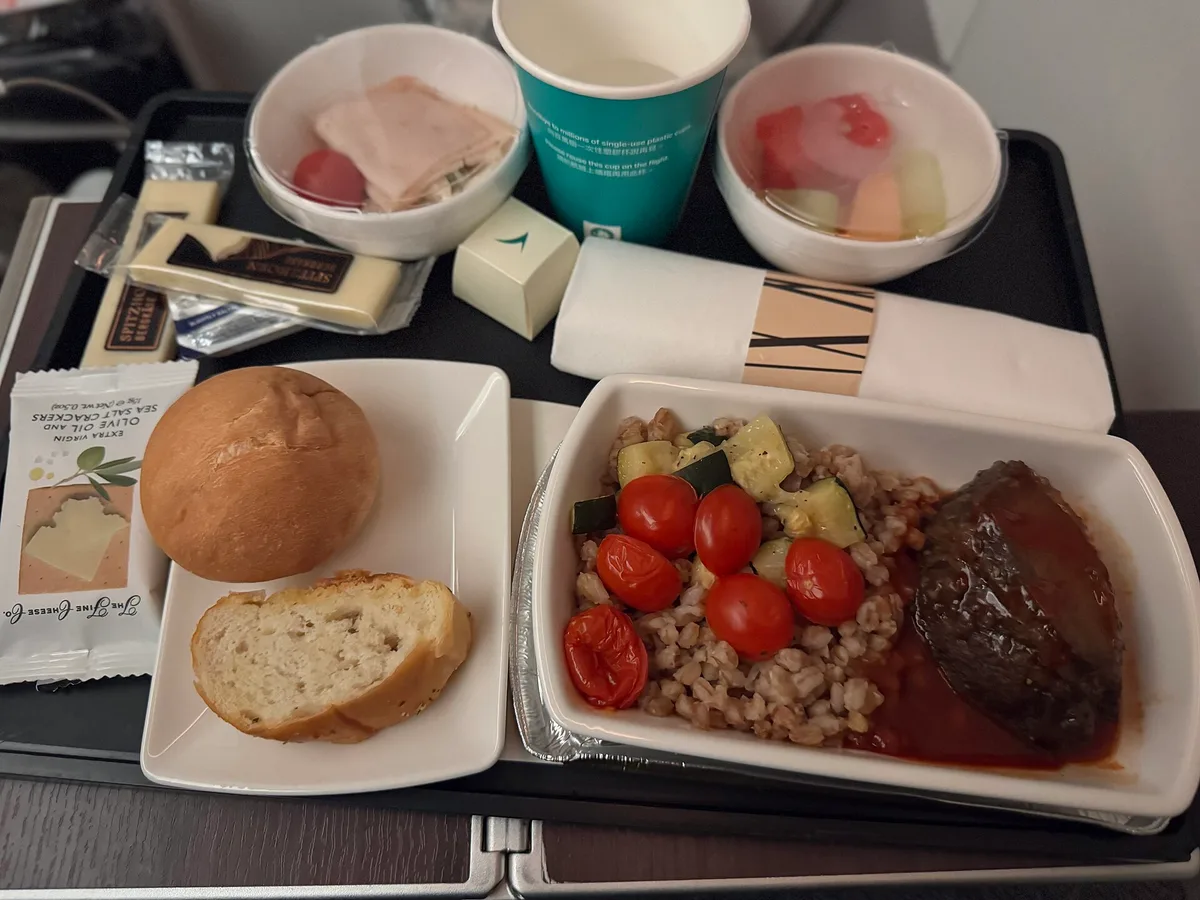
Safety, licensed and drilled. The shown role descends from similar positions on ships and trains but carries more direct traveler role because of the confined cabin, per the same record. Training covers evacuation, medical response, and emergency equipment, and the regular drills never stop. The service layer of the job is real — and it is by law the second duty.
Entry runs through an carrier's own training class rather than a university path. Makes the role one of the most open well-paid travel careers — and one of the most crowded per opening. This connects to our earlier piece, Premium Economy vs Business Class: What the Fare Gap Actually Buys.
What Other Careers Does an Airline Offer?
The map extends well past the cabin:
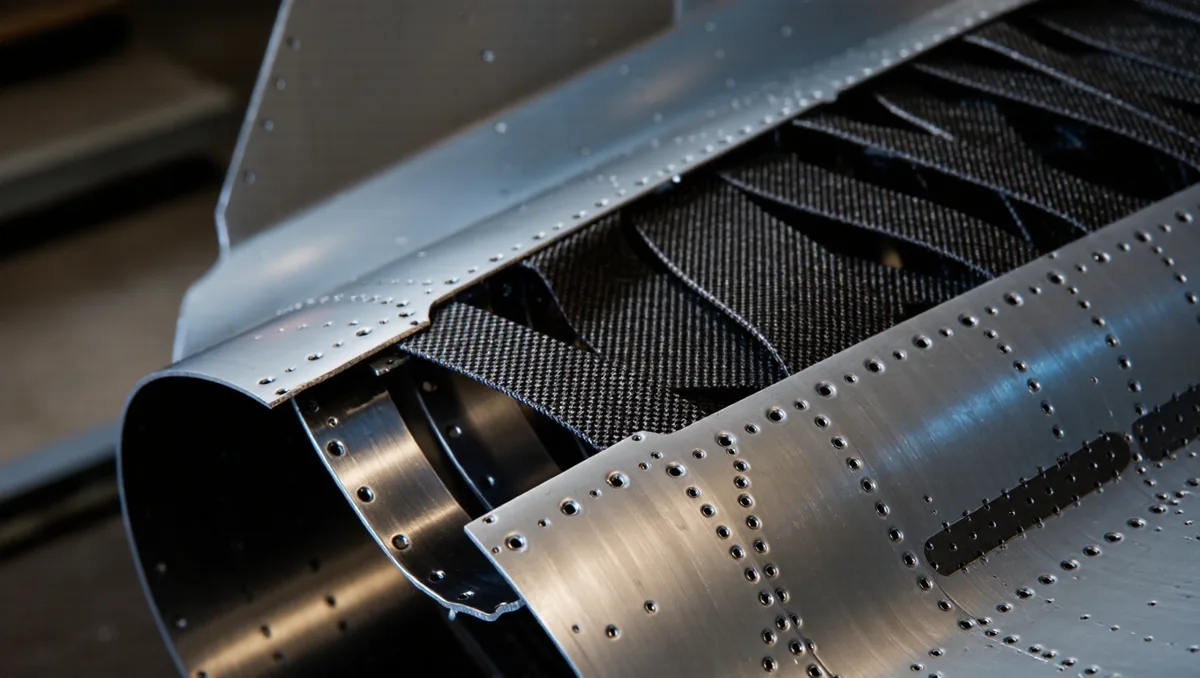
- Maintenance technicians: licensed aircraft mechanics who keep the fleet flying, with licensing paths through approved classes
- Dispatchers: the ground-side flight planners who share workal responsibility for each flight
- Airport works: gate, ramp, and load control, the roles that turn aircraft on time
- Corporate functions: pricing, network planning, IT, and finance at the home office layer
Each path has its own entry route, and several — upkeep in particular — hire from classes outside aviation entirely.
How Do Travelers Read an Airline's Hiring Cycle?
As a schedule signal. Cabin-class hiring classes start when a carrier plans growth, and upkeep hiring follows fleet deliveries. A wave of job postings in one region usually predicts schedule expansion there before the press release does. For job seekers, the cycle matters the other way: applying just as a class opens beats applying into a freeze.
The shown role structure helps the search too. Airlines publish their role families. The cabin and upkeep paths list their requirements openly — age. Right to work, language, and the training pledge.
What Should Applicants Actually Prepare?
Three things, whichever the door. Flexibility: entry carrier jobs relocate, overnight, and work the holiday calendar — the shown role write-ups say so plainly. Credentials: the safety-licensed roles require completed training and regular checks, so a clean record and the right paperwork are musts. And patience: classes fill in groups, and the application-to-classroom gap runs months.
The customer-facing tip is the shown one: the cabin role is safety work performed with service on top. Interviews screen for exactly that order. Readers following this should also see How Codeshare Flights Work, and Why the Airline on Your Ticket Isn't Always the One Flying You.
Conclusion: One Industry, Many Doors
Airline hiring is broader than the uniform suggests: a shown safety-first cabin role with open entry, licensed upkeep paths, dispatch, airport works, and a office layer behind them. The cycle governs timing, but the map of roles is stable, and each door publishes its requirements. Applicants who match the role to the reality — safety first, service second, moves always — start ahead of the stack of applications.
The industry's job boards reward specificity. Searching by role family — cabin. Upkeep, dispatch, works — surfaces openings that the generic postings hide. Each family publishes its own requirements. The shown structure of the roles means an candidate can prepare for the right door before it opens. Which is most of the race.
The shown cabin role anchors the list. The rest of the map branches from it. Each branch hires on its own clock.