Airlines overbook because roughly one in twenty seat-holders historically fails to board — no-shows and late connections would otherwise fly empty seats — and U.S. regulation caps the downside: a passenger involuntarily denied boarding on a domestic flight is owed 200 percent of the one-way fare, capped at $1,075, if rebooked within two hours of the original arrival, and 400 percent, capped at $1,550, beyond that, payable in cash. Those Department of Transportation figures have anchored U.S. denied-boarding compensation since 2015.
The system works because most overbookings never surface: volunteers take vouchers, and the flight departs full. This guide covers why the practice exists, what the rules require, and how the compensation arithmetic actually resolves at the gate. AGLA News publishes information, not legal advice; DOT rules and carrier policies should be checked for current values.
Why do airlines sell more seats than exist?
Seat inventory is perishable — an empty seat at departure earns nothing forever — and the airline's booking data predicts no-shows with usable accuracy: historical no-show rates, connection status, fare type and passenger history feed revenue-management models that set an authorization level above the cabin count. Overbooking is therefore calibrated, not careless, and its intensity has fallen as analytics improved; carriers have also curtailed the practice after reputational episodes. Regulators accept it because the alternative — never selling a no-show's seat — raises average fares across the cabin, spreading the cost of empty seats onto every passenger who does show up.
What happens when too many people show up?
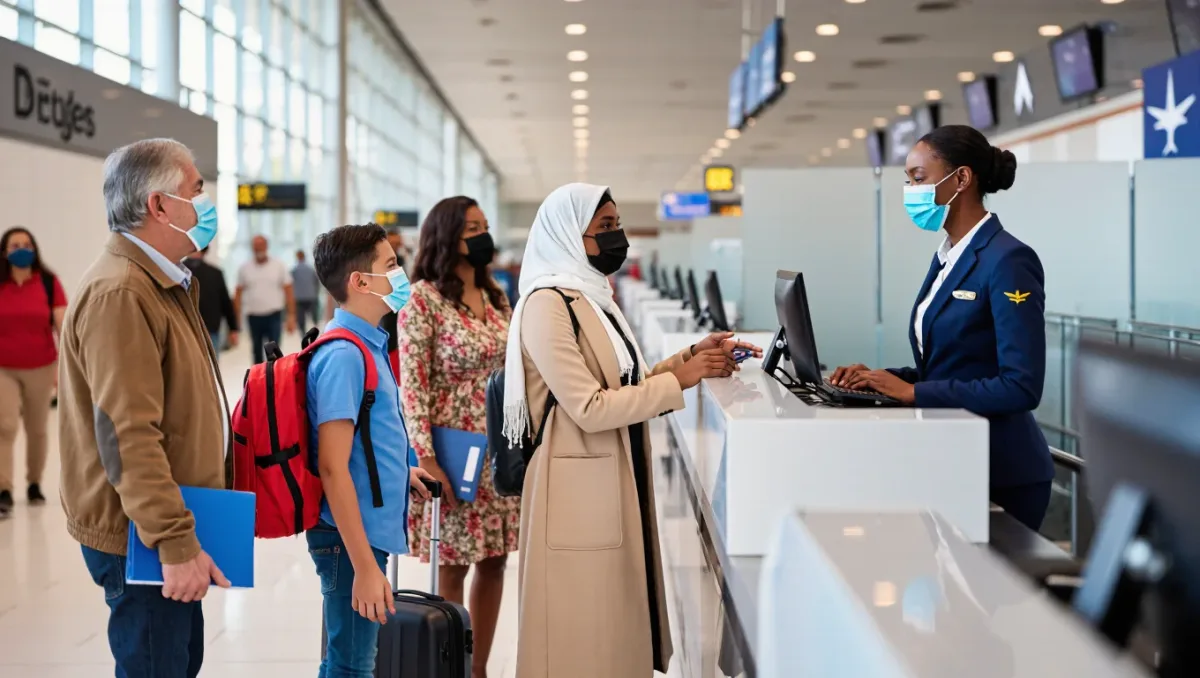
DOT rules require the carrier to ask for volunteers before anyone is bumped involuntarily, with compensation in vouchers or cash as negotiated. Volunteer incentives typically start around $100-200 in vouchers and climb in stages until takers appear; on a 200-seat flight, a few volunteers usually close the gap. If volunteers do not cover it, the carrier must select involuntarily denied passengers under its own posted priority rules — which cannot discriminate by protected characteristics and generally favor factors like check-in time, fare paid and status. Involuntary bumping is rare: DOT's published data shows involuntary denied boardings in the low hundreds of thousands out of hundreds of millions of passengers annually — a fraction of a percent — and the rate has trended down for a decade.
What exactly must an airline pay?
For involuntary denied boarding on U.S. domestic itineraries, the DOT table governs: 200 percent of the one-way fare to the destination, max $1,075, if the carrier gets the passenger there within two hours of the original arrival (four hours international); 400 percent, max $1,550, beyond that window. Payment in cash or check is required at the option of the passenger — vouchers are for volunteers only. The rules also guarantee the delayed passenger a seat on the next available departure or a refund of the unused portion. Exemptions exist: aircraft swapped for smaller equipment and weight-restricted operations fall under different, lighter obligations, and the compensation duty applies to carriers operating from U.S. airports regardless of nationality.
Should you volunteer, and when is the cash worth taking?
Volunteering is a market transaction: ask what the next flight's schedule is, whether a meal or hotel applies, and negotiate in vouchers only if their value to you is real. The involuntary cash maximums set the negotiation floor's shadow — a volunteer taking $800 in vouchers is trading away a possible $1,550 cash right they did not yet have, and accepting that trade consciously is the whole decision. Travelers who must arrive on time — cruises, weddings, connections on separate tickets — should check in early, because check-in order protects the seat far more reliably than any compensation after the fact.