A single-visit pass to a typical U.S. airport lounge costs between $50 and $80, a prepaid guest-pass network subscription runs about $100 a year, and premium credit cards that include lounge access cost $395 to $795 a year. What the door buys is broadly the same everywhere: seating away from the concourse, food and non-alcoholic drinks, Wi-Fi, and restrooms that rarely have a line. Whether that is worth the money depends on dwell time — the arithmetic of a lounge is simple, and it starts with how many hours a traveler spends airside.
Lounge economics reward long waits and punish short ones. A $70 day pass consumed over a four-hour delay returns real value in food, drink and workspace; the same pass before a 45-minute connection is an expensive coffee. This guide prices every common route past the door and explains where each one wins.
How much does each entry route cost?
- Single-visit day pass, sold by lounge networks such as Priority Pass members' guest rate or by the lounge operator itself: typically $50-80 per person, per visit, bookable online in advance.
- Prepaid lounge memberships (Priority Pass Standard-type plans): roughly $99-199 a year plus a discounted per-visit fee around $35, designed for a handful of trips a year.
- Unlimited network membership: about $429-549 a year with 10 or unlimited visits, aimed at very frequent travelers without a premium card.
- Premium credit cards: $395-795 annual fee, bundling network access, airline-specific club memberships, or both, plus guest privileges that now usually cost $35-50 per guest.
- Airline club membership bought directly from a carrier: about $650-750 a year for an individual, more for households.
Why do lounges get crowded if they charge?
Because most people inside did not pay at the door. Access through credit cards and elite status exploded over the last decade while lounge footprints grew far more slowly, and carriers respond with entry restrictions: several airlines now cap guest access, require same-day tickets on their own metal, or turn away holders at peak waves. Some networks began charging for guests that were once free, and select premium cards cap complimentary visits unless spending thresholds are met. The practical consequence for a walk-up buyer: capacity is sold to members first, and day-pass availability at a busy hub in the late afternoon is never guaranteed.
What does a lounge actually provide?
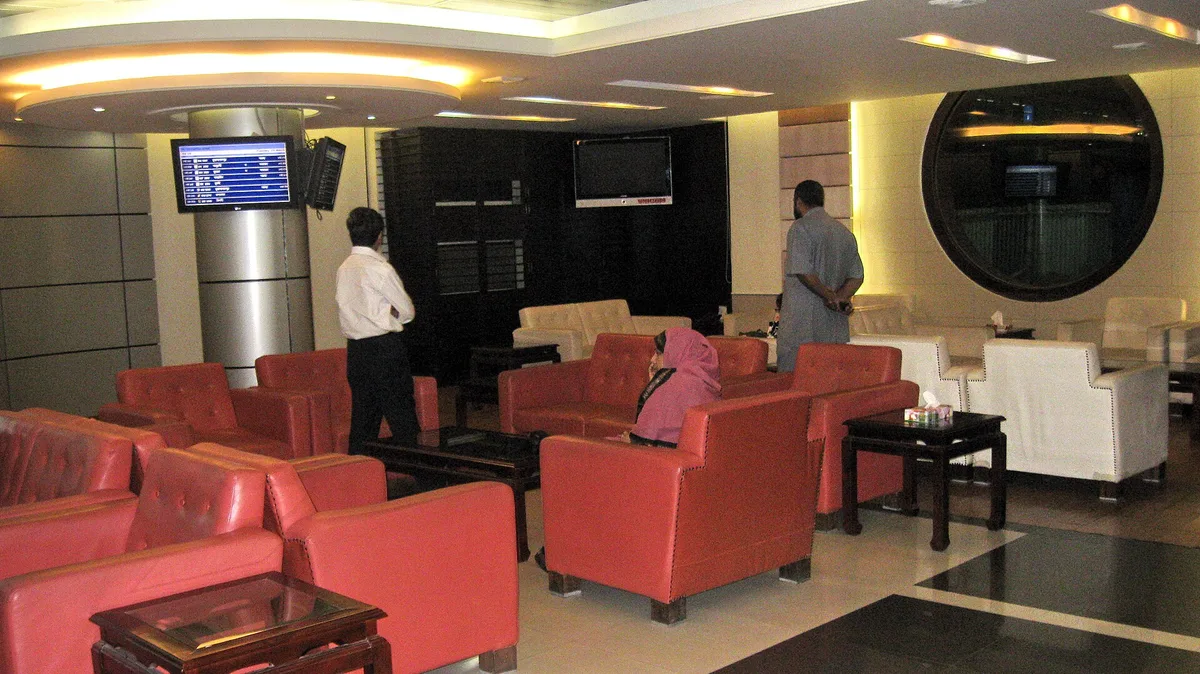
The core product is space and predictability: a seat that exists, power at hand, acceptable coffee, and a bathroom without a queue. Food ranges from soup-and-salad buffet to à la carte dining at the best carrier flagships; alcohol is included in nearly all but pours vary. Showers appear in most international lounges, and a minority offer nap suites or paid spa services. What a lounge does not include is flight protection — boarding announcements, gate changes and rebooking desks all belong to the airline, not the club, so a delayed passenger still monitors screens.
When does a day pass beat a membership?
The break-even is brutally fast. At $70 a visit, six single visits cost $420, which approaches an unlimited network membership; at two visits a year, the pass wins by hundreds of dollars. The pass also buys flexibility — entry only at the specific airports where a delay is likely, such as a long connection through a congested hub. Memberships win only when visits are frequent and spread across many cities, which is why the durable advice is to price the day pass first and upgrade only after the annual count passes roughly five visits.
How do you avoid paying at all?
Three no-cost routes exist. Elite status with a carrier on international itineraries usually includes lounge access at the long-haul departure point. Some airlines sell one-time lounge access with miles, a poor value at typical redemption rates but occasionally useful. And several airports now sell access to independent pay-in lounges through walk-up terminals or third-party apps, often at $40-60 — cheaper than network passes and bookable on the spot. None requires a credit-card relationship; all depend on capacity, which is why arriving early remains the only reliable lounge strategy.