Low-cost carriers earn a large share of revenue from bags, seat selection and extras rather than the ticket itself — with leading budgets reporting roughly a third of revenue from ancillaries — inside a cost base built for utilization.
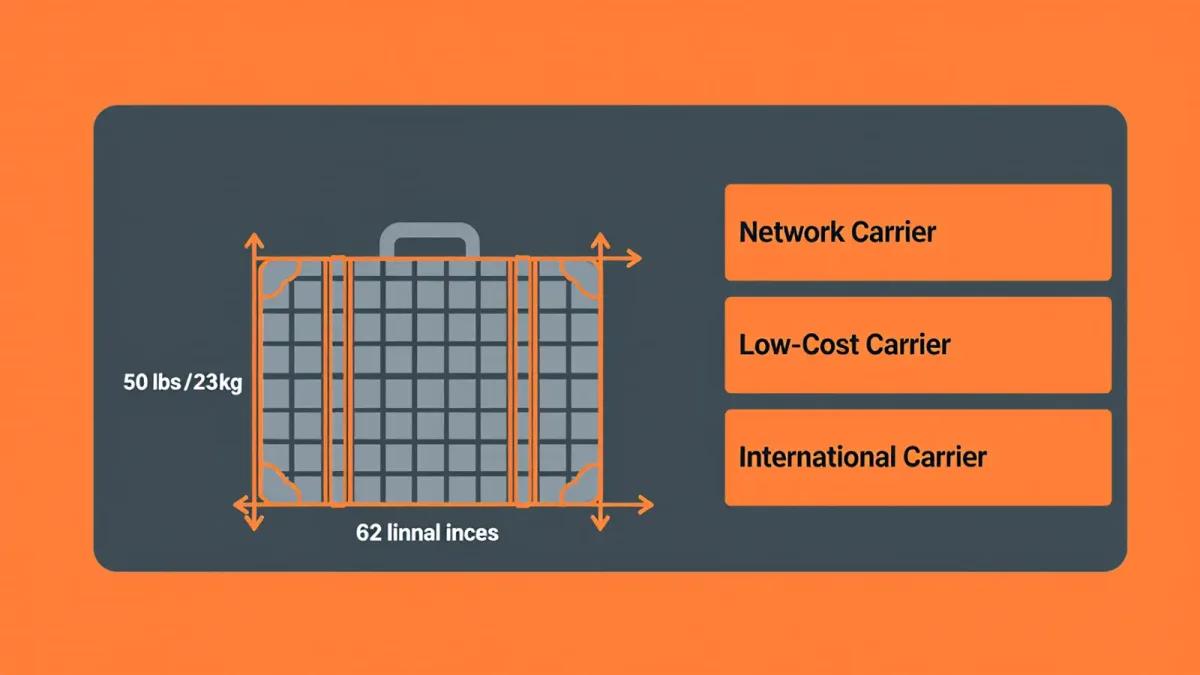
First checked bags on the big U.S. carriers run $35-45 online and more at the airport, second bags $45-55, with weight and size limits that trigger oversized fees up to $200 — the fee structure, decoded.
Under a wet lease the lessor supplies aircraft, crew, maintenance and insurance while the ticketing airline keeps its own livery and flight numbers — the capacity tool behind summer surges and schedule rescues.
U.S. rules require up to $1,550 in cash for involuntary denied boarding on a domestic flight, depending on delay length — the economics of overbooking and the compensation table, explained.
Basic economy prices $30-80 below standard economy and takes back seat selection, full-size carry-on rights on some carriers, changes and earn rates — the restriction-by-restriction accounting.
A network carrier connects 100 cities with 25 aircraft by routing everything through a hub, while a low-cost carrier flies city to city — the economics that decide which model serves which route.