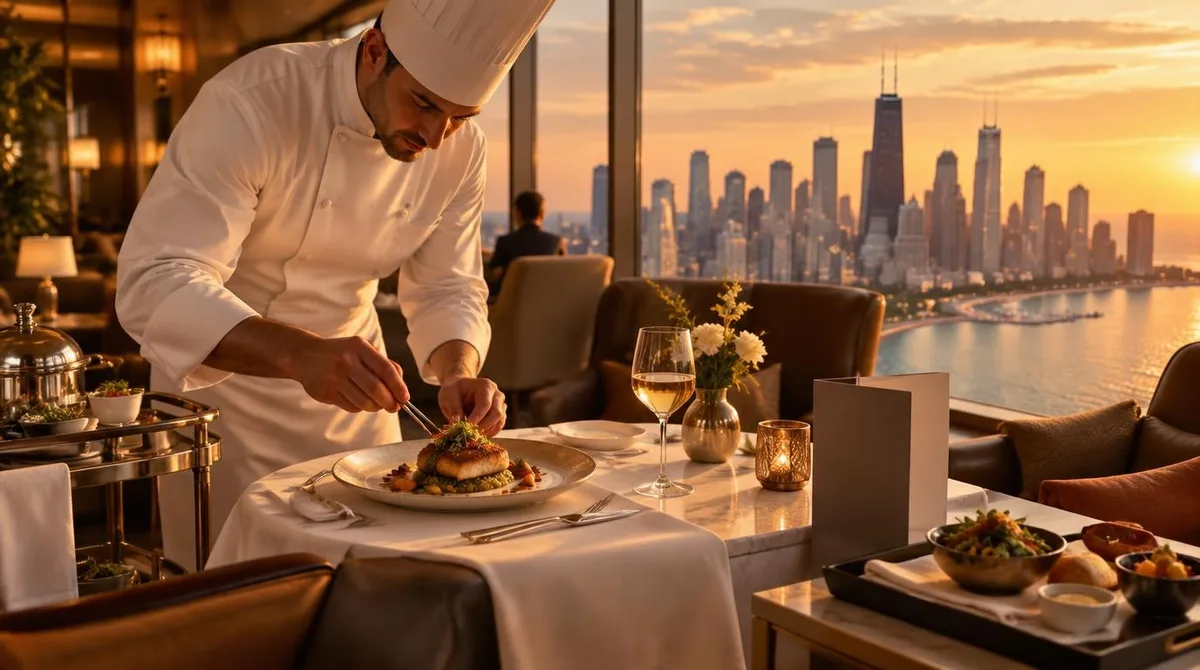
United Airlines will put 30 new chef-designed dishes into United Polaris international business class starting 1 November, according to Travel Daily Media. The menu comes from 11 chefs working across ten cities, in a collaboration with the brand behind the Emmy Award-winning Netflix series Chef's Table. It is the second such rotation, following a first launch in August.
For Polaris passengers who preorder, the practical takeaway is straightforward: meals can be selected on United's website or app from five days before departure up to 24 hours prior. That window matters more than the chef names for anyone building a long-haul itinerary around a specific meal. Travelers tracking broader carrier moves can follow the latest in the site's airlines coverage. For related coverage, see How ADS-B Works: The Broadcast Behind Every Live Flight Tracking Map.
The announcement deserves a measured read, though. The report itself notes it was adapted from original press material using AI tools and selected by a human editor, so most of the claims trace back to United rather than to independent testing. That does not make them wrong — it makes them the carrier's framing.
What is actually new on the menu?
The rotation covers salads, appetisers and entrées inspired by United's hub cities and key international gateways. Named dishes include Chef Nancy Silverton's spiral meat lasagne, Chef David Barzelay's rack of lamb, and Chef Tomos Parry's roasted pumpkin with rosemary stracciatella.
Aaron McMillan, United's Managing Director of Hospitality Programmes, said the goal is bringing world-class chefs onboard to reflect the destinations served and enhance the inflight dining experience. Justin Connor, President of Chef's Table Projects, said the collaboration lets travellers experience the creativity and unique culinary perspectives of the chefs involved. Both statements are the companies' own characterisations, quoted or paraphrased through the trade press report.
How strong is the satisfaction evidence?
The headline number — customer satisfaction scores rising nearly 20 points for the first rotation compared with other preordered meals — is United's own figure, with no baseline, sample size or measurement method supplied in the report. "Nearly 20 points" is also imprecise by its own wording. It is fair to treat it as a directional signal that the August rotation landed well with passengers who preordered, and no more than that.
The spending claim carries the same caveat. United says it spent more than $150 million in 2025 to elevate the customer dining experience, alongside expanded meal preorder, new snackboxes and an enhanced onboard wine programme. That is the airline accounting for its own investment, not an audited figure, and the report does not break down where the money went.
Why the second opinion matters for travelers
- The dishes are Polaris-only. There is no indication in the report that premium economy or economy cabins get any of these 30 dishes, so most passengers on the same flight will not see them.
- Preorder drives the experience. Availability appears tied to the preorder system, so passengers who skip the five-day-to-24-hour window may never encounter the menu at all.
- Chef branding is not the same as kitchen conditions. The recipes are designed by named chefs; the report says nothing about who cooks them at scale or how consistency is maintained across a global fleet.
None of this makes the programme a gimmick. A 30-dish rotation from 11 chefs across ten cities is a substantial content commitment, and the August precedent suggests United intends to keep rotating rather than treating this as a one-off launch. Onboard experience investments sit alongside connectivity upgrades like the shift many carriers are making to Starlink Wi-Fi, and together they shape what a business-class ticket actually buys. This connects to our earlier piece, Why Airlines Are Fitting Starlink Wi-Fi, and What It Changes Onboard.
What to watch next
The useful test will come after 1 November, when the menu is live and preorder data accumulates. If United publishes satisfaction figures for this rotation with clearer methodology than the August claim, the programme's track record becomes verifiable rather than promotional. Until then, the honest summary is this: a real, dated menu change in a specific cabin, wrapped in the carrier's own success narrative.
Travelers flying United Polaris internationally from 1 November who care about dining should set a reminder five days out and preorder through the app. Everyone else can wait for harder numbers before drawing conclusions about whether the chef partnership changes the inflight experience in any measurable way. Broader travel developments continue in the site's travel news section.