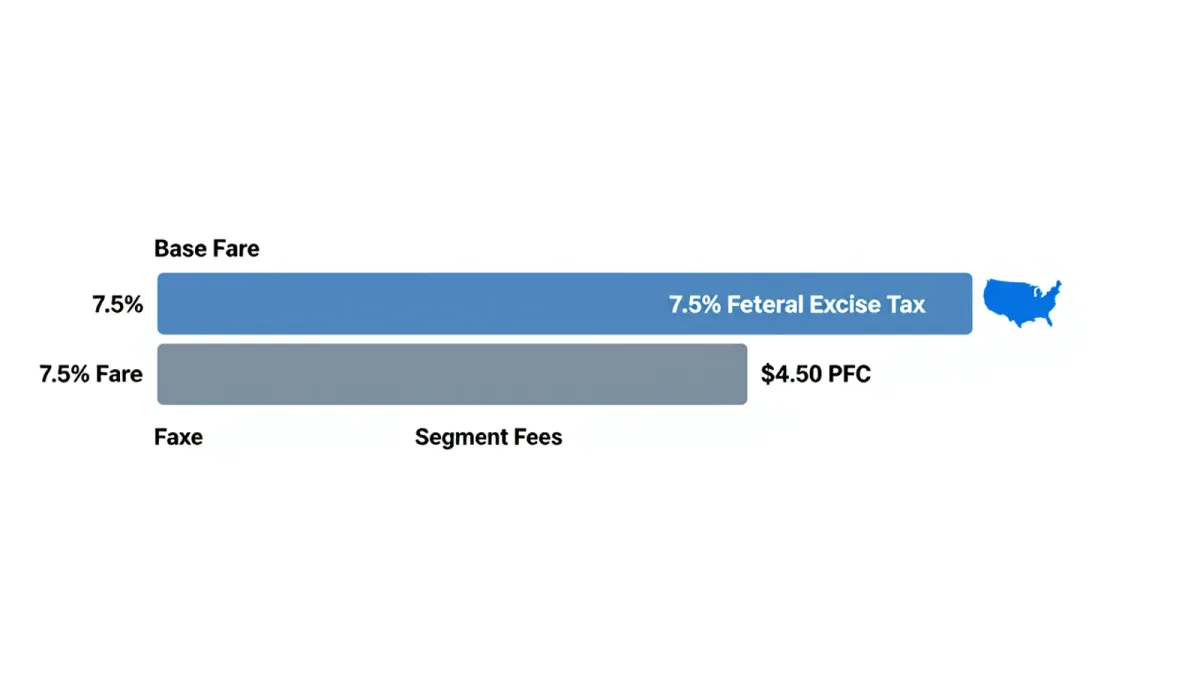
U.S. airports are funded mainly by airlines' landing fees, a federal ticket tax, and a $4.50 per-passenger facility charge — the three revenue streams that rebuilt terminals and appear as taxes and fees on every fare.
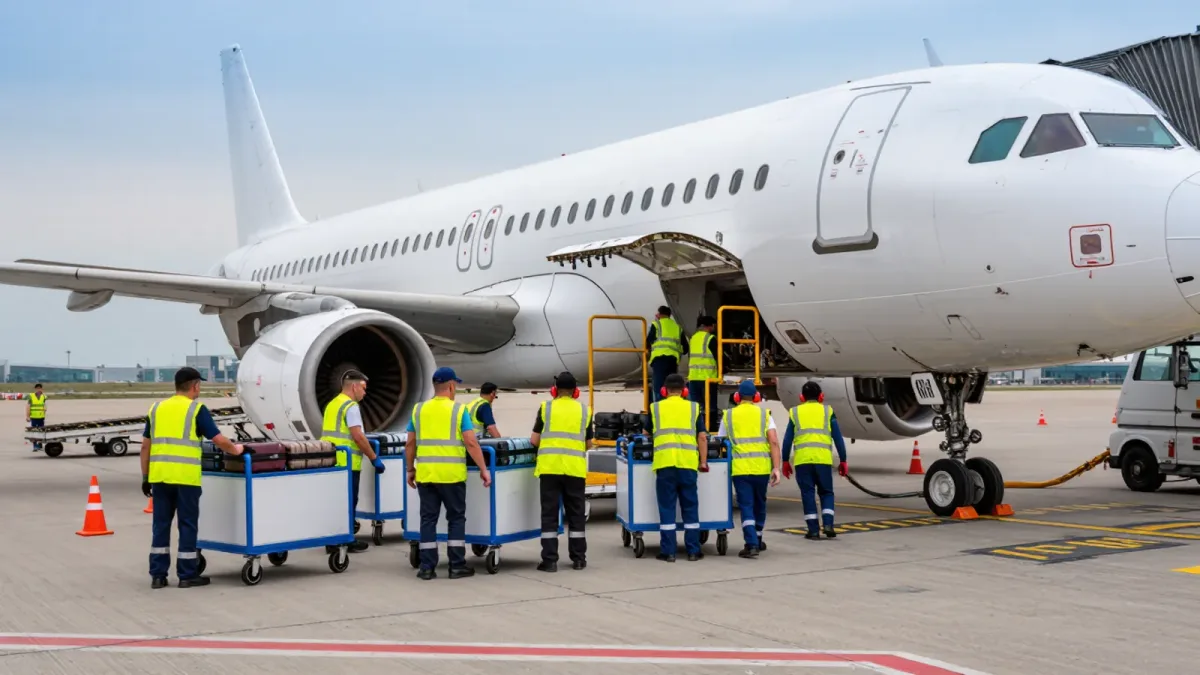
Bar-code readers and CT scanners route a checked bag through kilometers of conveyor at 10 meters per second, and at the largest hubs the system handles tens of thousands of bags a day — how the machinery works.
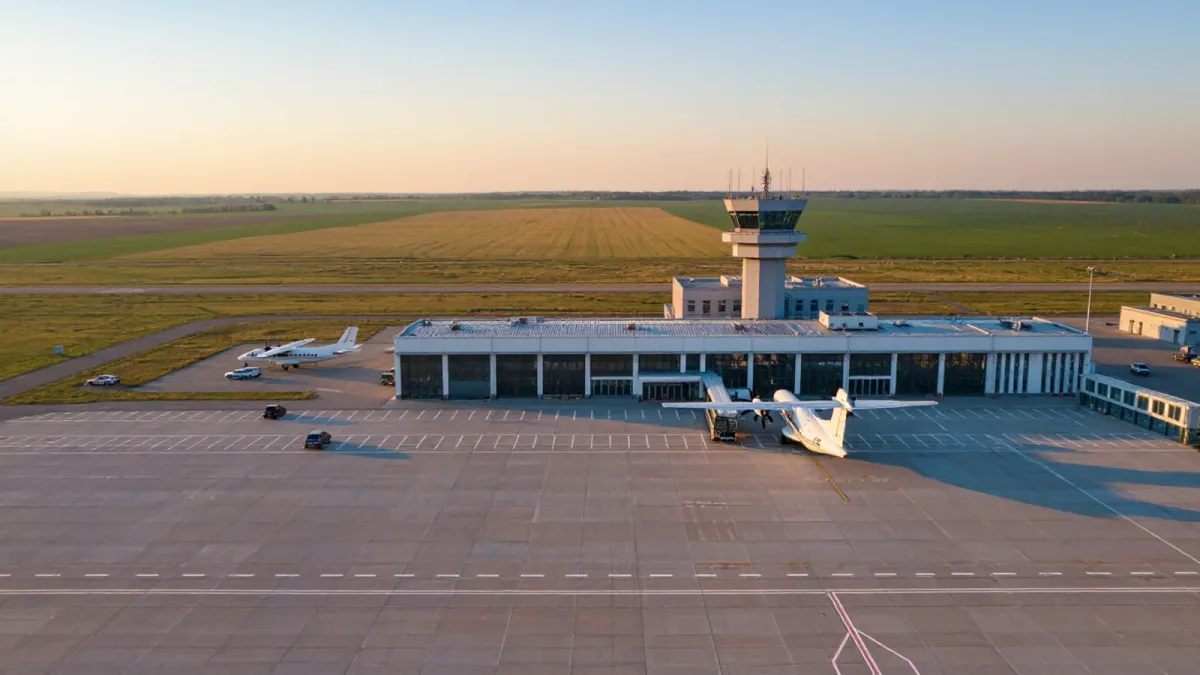
Driving past a major hub to a regional airport 60 miles closer can save two door-to-door hours even when the fare is higher — the decision framework, in numbers.
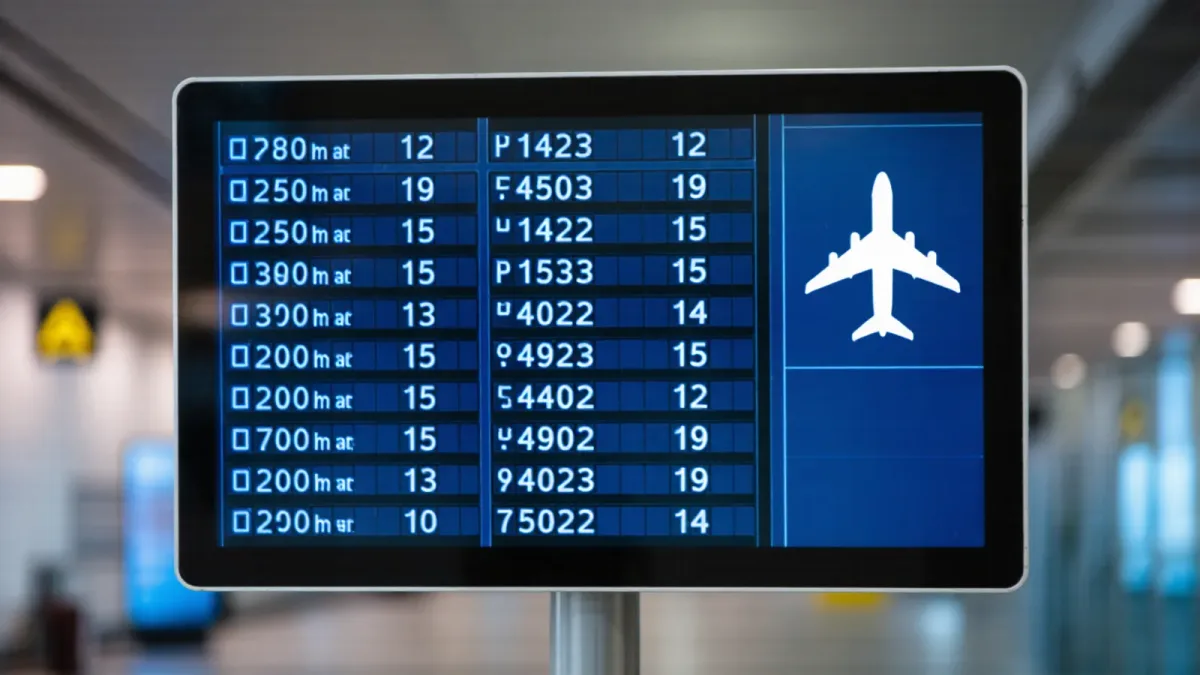
Gate assignments are re-planned continuously around aircraft rotations and turnaround times; the number on your boarding pass is a plan from hours ago, not a promise.
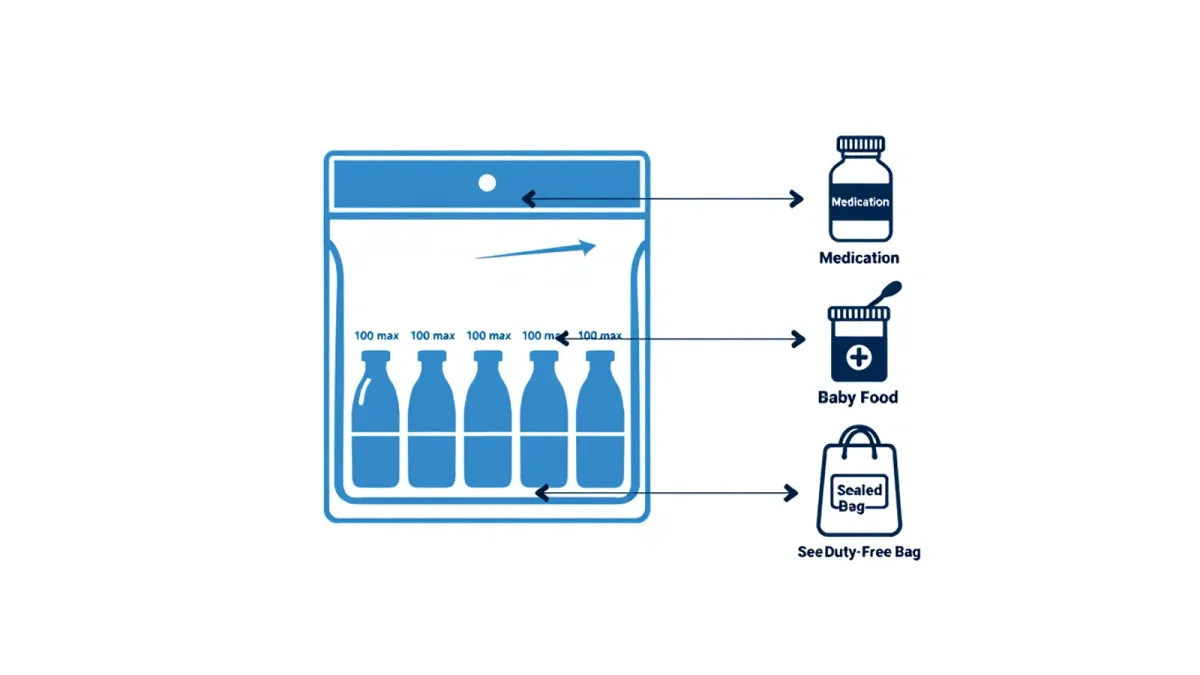
The 3-1-1 rule caps carry-on liquids at 100 milliliters per container in one liter bag, with medical, baby and duty-free exceptions — and new screening tech is starting to loosen it.
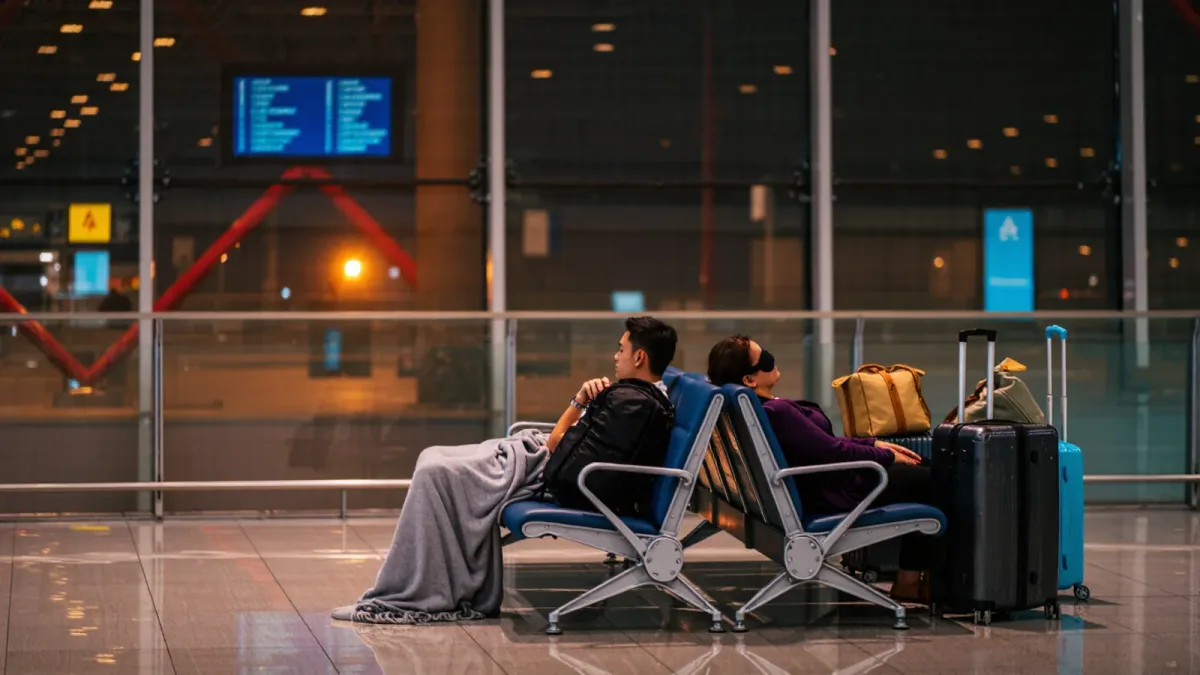
An overnight layover can cost $0 on a bench, $40-80 in a pay-by-the-hour pod, or $150 in an airport hotel — the practical guide to sleeping airside and landside.